We are pleased to present the inaugural volume of “Estudios Libertarios”, which pays well-deserved tribute to Professor Walter E. Block, one of the most popular and brilliant theorists of both libertarianism and the Austrian School of Economics. We want to thank him for the support he has given us and we warn that responsibility for any errors or omissions is entirely ours.
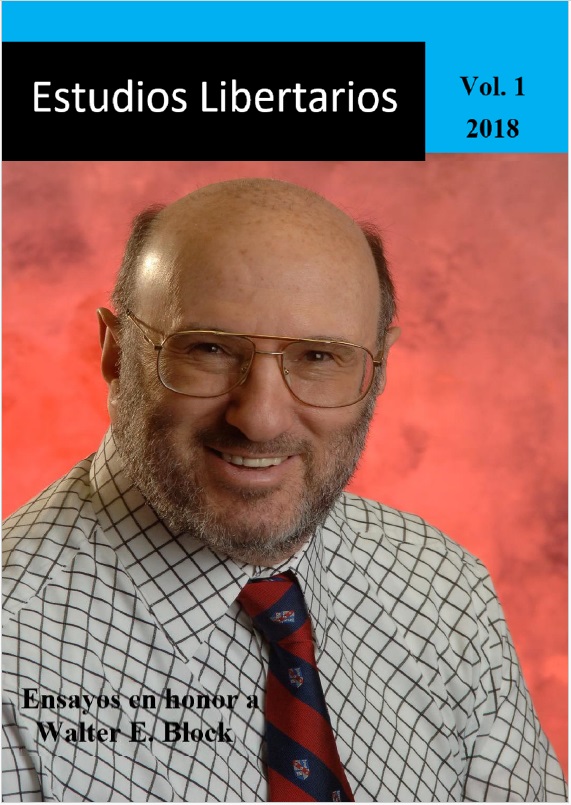
Complete volume

Artícles

¿Por qué Walter Block? Unas palabras en su honor
David Chávez Salazar
A review of the life and work of Walter Block. In general terms, we can deduce that the core of his thinking is that greater individual and market freedom offers better solutions to social and economic problems.

Walter E. Block
Libertarianism recognizes only negative rights (the right not to be assaulted or coerced) and rejects positive rights, as these imply compelling others to provide goods or services. All relationships must be entirely voluntary and based on freedom of association.

La dona libertaria: Un debate sobre libertad y propiedad
John Alejandro Bermeo
A debate has arisen regarding whether property rights can limit freedom of movement in extreme cases. From a libertarian perspective, private property prevails and should not be restricted to create a supposed right of way.
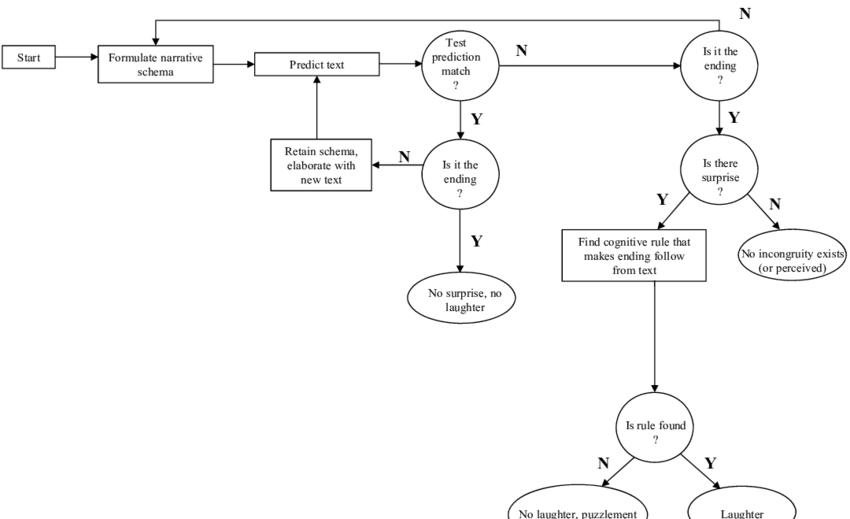
¿Soy racista si me río de un meme racista?
Guillermo Estupiñán
Dark humor works because it subverts expectations by exploiting known prejudices, not because those who create or enjoy it share those beliefs. Humor should not be censored, as doing so restricts freedom of expression.
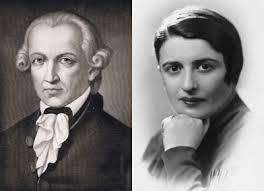
Una comparativa entre el kantismo, el utilitarismo y el objetivismo sobre la honestidad
Miguel Roldán
An analysis of honesty through a comparison of Kantianism, utilitarianism, and objectivism, emphasizing the differences that exist between the three schools of thought.

El derecho a no pagar impuestos
José Manuel Carballido C.
From a libertarian perspective, tax evasion is ethically and economically justifiable, considering taxation a form of coercion that reduces freedom, distorts the market, and favors state intervention.

El derecho a que el mercado determine los salarios
Jorge Corrales Quesada
Imposing a minimum wage above the market level generates unforeseen consequences, such as unemployment, informality, labor discrimination, and distortions in the information conveyed by prices.
En defensa de la no contribución a la caridad
David Chávez Salazar
Charity, although voluntary, is ethically harmful because it fosters dependency, discourages self-sufficiency, and is based on altruism, which is considered incompatible with natural rights and the Non-Aggression Principle.

Giffen Goods and Backward Bending Supply Curves of Labor
Walter Block & Gabriel Philbois
A critique of the backward-sloping labor supply curve and the Giffen good, for considering them theoretically inconsistent.
Back cover